
The Pointy Truth About Using Cacti to Clean Your Home Air
Is a Cactus Air Purifier Actually Worth It? Here’s the Quick Answer
A cactus air purifier is a real — if modest — way to improve your indoor air quality naturally. Cacti absorb harmful compounds like formaldehyde, benzene, and VOCs through their tissue, and they release oxygen at night thanks to a unique process called CAM photosynthesis. That makes them different from most houseplants, which do their gas exchange during the day.
Here’s a quick snapshot of what cacti can (and can’t) do for your air:
| Feature | Cactus as Air Purifier |
|---|---|
| Removes VOCs (benzene, formaldehyde) | Yes, in small amounts |
| Releases oxygen at night | Yes — CAM photosynthesis |
| Matches a HEPA filter’s performance | No |
| Low maintenance | Yes — ideal for beginners |
| Safe for all pets and children | Not always — spines and some species can be hazardous |
| Recommended quantity | ~1 plant per 100 sq ft (NASA guideline) |
So why are more health-conscious homeowners turning to cacti? Because indoor air is often more polluted than outdoor air. Paints, furniture, carpets, and cleaning products silently off-gas toxic chemicals into the rooms where you sleep, eat, and breathe every day. Mechanical air purifiers help — but they cost money to run and replace filters regularly.
Cacti offer a low-cost, low-effort, and surprisingly effective supporting solution. They won’t replace a good HEPA filter, but they add a layer of natural filtration that also looks great on a windowsill.
This guide breaks down exactly how cacti clean your air, which species work best, how many you need, and what the real limitations are — so you can make a smart, informed choice.

The Science of the Cactus Air Purifier: CAM Photosynthesis and VOC Absorption
To understand how a cactus air purifier works, we have to look at how these plants survived for millions of years in the desert. Most plants breathe during the day, opening their pores (stomata) to take in carbon dioxide. However, in a scorching desert, opening your pores during the day means losing precious water to evaporation.
To solve this, cacti evolved a unique survival mechanism called Crassulacean Acid Metabolism (CAM). Instead of breathing during the day, they keep their stomata tightly shut to conserve moisture. When the sun goes down and the air cools, they open up to absorb carbon dioxide and release oxygen. This makes them one of the few plants that actively improve bedroom air quality while you sleep.
Beyond Oxygen: The Power of Phytoremediation
Cacti don’t just “breathe” CO2; they also engage in phytoremediation. This is the scientific term for using living plants to clean up soil, air, and water. According to research on Cacti Benefits: Natural Air Purifiers, these resilient plants can absorb and neutralize Volatile Organic Compounds (VOCs) such as:
- Formaldehyde: Found in carpets, upholstery, and glues.
- Benzene: Often present in plastics, synthetic fibers, and tobacco smoke.
- Trichloroethylene: Found in some household cleaners and paints.
The Secret Role of Soil Microorganisms
While the plant tissue itself does some of the heavy lifting, the soil is a secret hero. Microorganisms living in the plant’s root zone help break down complex toxins into safer compounds that the plant can then use for food. Some research suggests that exposing more of the soil surface—rather than covering it with thick layers of decorative gravel—can actually enhance this pollutant-removal process.
Top Cactus Species for Filtering Indoor Pollutants
Not all “pointy friends” are created equal when it comes to air quality. Some species have a higher metabolic rate or a larger surface area, making them more efficient as a natural cactus air purifier.

Comparing Top Air-Purifying Species
| Cactus/Succulent Species | Primary Pollutants Targeted | Best Placement |
|---|---|---|
| Snake Plant | Formaldehyde, Benzene, Xylene | Bedroom (Nighttime Oxygen) |
| Aloe Vera | Benzene, Formaldehyde | Kitchen or Sunny Windowsill |
| Christmas Cactus | Carbon Dioxide, VOCs | Living Room (Low Light Tolerant) |
| Prickly Pear | VOCs, SO2, NOx | Bright Sunroom |
| Barrel Cactus | Formaldehyde, Household Toxins | High-Light Areas |
Best Cactus Air Purifier Varieties for Formaldehyde and Benzene
If you are specifically worried about “new house smell” or chemical off-gassing, certain varieties stand out. The Snake Plant (often grouped with cacti due to its similar care needs) is a powerhouse at removing xylene and toluene. Interestingly, Aloe Vera acts as a natural air quality indicator; if the air is heavily polluted with chemicals, the leaves may develop small brown spots, letting you know it’s time to open a window!
Other varieties like the Spider Cactus are excellent for filtering toluene, while the Christmas Cactus provides a rare benefit: it thrives in slightly lower light than desert cacti, making it a versatile purifier for hallways or corners. For those interested in the science of “does it really work?”, sources like Does Cactus purify air? confirm that while they aren’t as fast as a machine, their continuous absorption adds up over time.
Maximizing Efficiency: Placement and Quantity for Clean Air
A single 2-inch cactus on a desk isn’t going to fix the air quality in a massive open-plan home. To see real results, we need to look at the math.
The NASA Guideline
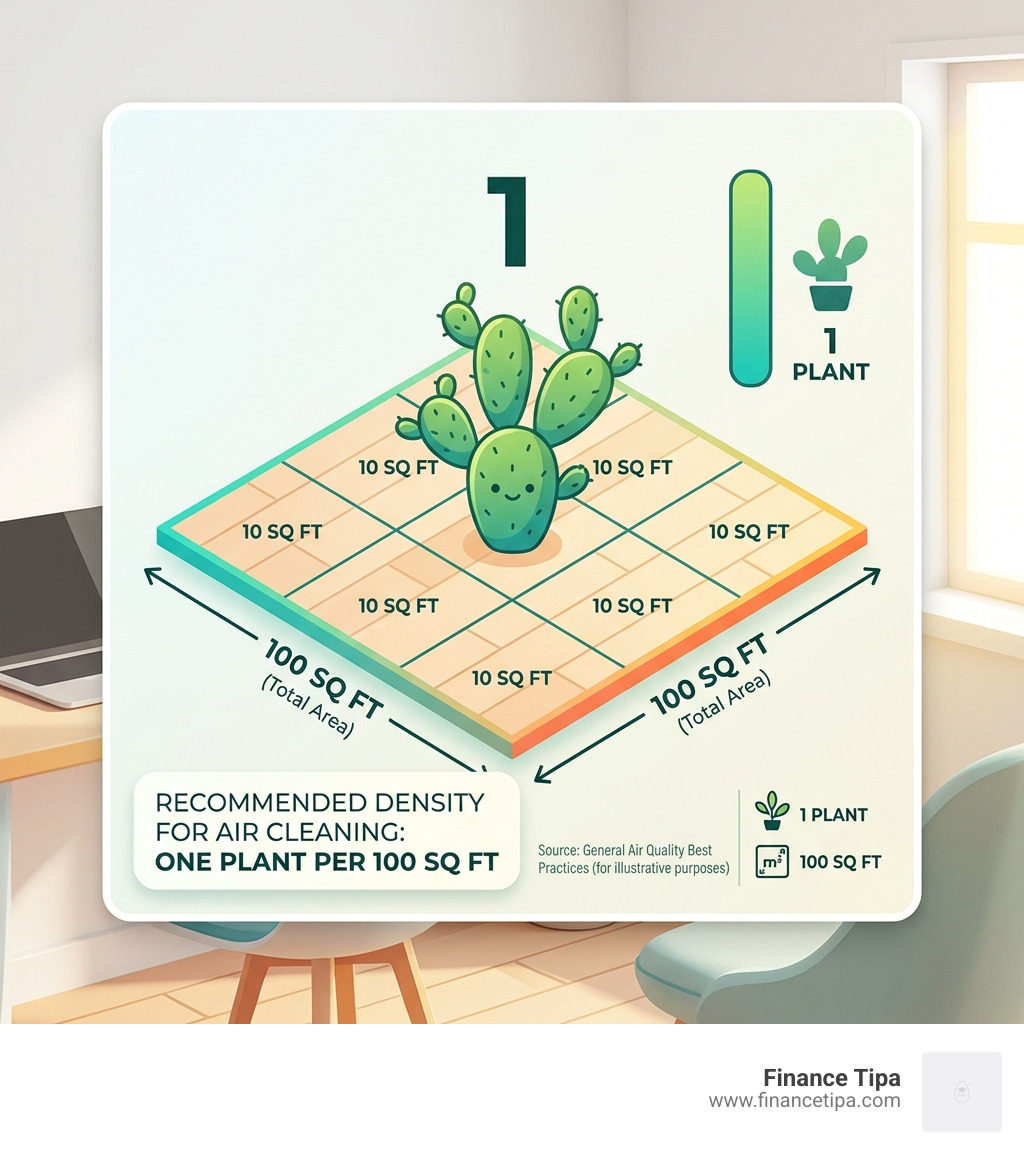
The famous NASA Clean Air Study suggests that for a meaningful reduction in indoor toxins, you should aim for one plant per 100 square feet of floor space. If you have a 400-square-foot living room, you’d ideally want at least four well-sized plants or a larger collection of smaller cacti to make a dent in the VOC levels.
Strategic Placement for Better Breathing
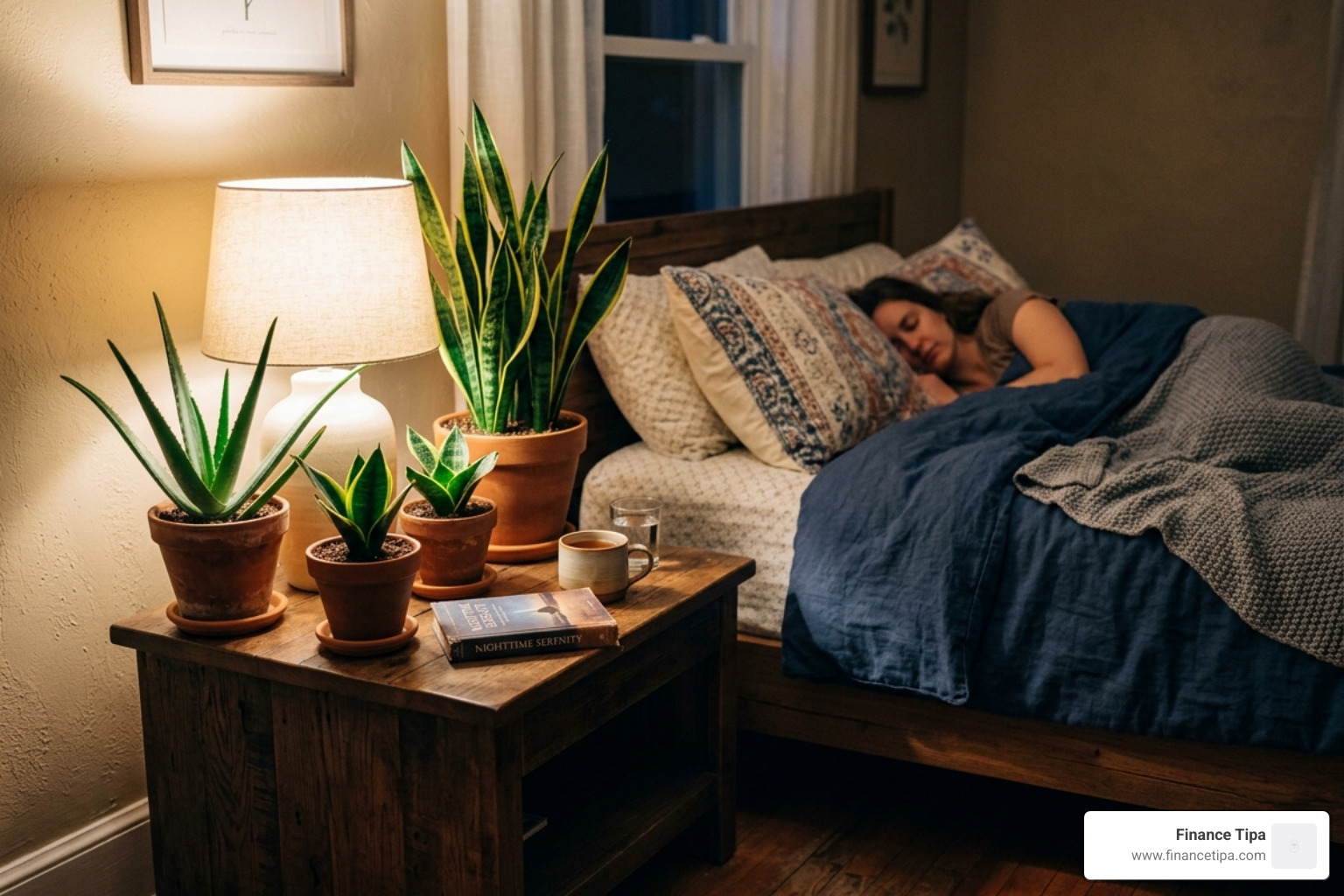
- The Bedroom: Because of CAM photosynthesis, placing a cactus air purifier like a Snake Plant or Aloe Vera near your bed ensures you are getting a fresh boost of oxygen throughout the night.
- The Home Office: Cacti are excellent at absorbing VOCs from printers, new furniture, and carpets.
- Near Windows: Most cacti need light to fuel the energy required for toxin absorption. A south-facing windowsill is usually the “sweet spot.”
Comparing a Natural Cactus Air Purifier to Mechanical HEPA Filters
It is important to be realistic: a plant is not a machine. While a CUCKOO CAC-I0510FW 3-in-1 HEPA Air Purifier can cycle the air in a 456 sq. ft. room every hour, a cactus works much more slowly.
| Feature | Natural Cactus Purifier | Mechanical HEPA Purifier |
|---|---|---|
| Speed | Very Slow / Continuous | Fast / High CADR |
| Energy Cost | $0 (Needs Sun) | $5 – $15/month |
| Noise | Silent | Fan Noise (30-50 dB) |
| Maintenance | Watering & Sunlight | Filter changes every 6 months |
| Aesthetics | Adds beauty and life | Functional / Plastic |
We often recommend a hybrid approach. Use a mechanical purifier to handle dust, pollen, and heavy smoke, and use cacti to provide natural oxygenation and long-term VOC reduction. For a high-tech middle ground, products like the Verta Nature Inspired Air Purifier actually combine a live plant with a mechanical fan and a self-watering system to speed up the purification process.
Low-Maintenance Care for Your Air-Purifying Cacti
The biggest benefit of using a cactus as an air purifier is that they are nearly impossible to kill—provided you don’t “love them to death” with too much water.
- Watering Techniques: Only water when the soil is dry at least two inches deep. In the winter, you might only water once a month.
- Soil and Drainage: Use a specific cactus mix. Never let your cactus sit in standing water, as this leads to root rot.
- Sunlight: Most desert cacti need 4-6 hours of bright, direct light. If your cactus starts stretching and looking “skinny,” it’s begging for more sun.
- Temperature: They prefer 65-85°F (18-29°C) during the day. Keep them away from cold drafts or air conditioning vents.
- Safety First: If you have curious pets or toddlers, choose spineless varieties like the Lifesaver Cactus or a Christmas cactus. Avoid the “Prickly Pear” in high-traffic areas, as its tiny glochids (hairs) can be very irritating.
Frequently Asked Questions about Cacti and Air Quality
Do cacti really release oxygen at night?
Yes! As mentioned, cacti utilize CAM photosynthesis. While most plants release CO2 at night, cacti keep their CO2 stored as malic acid and release oxygen when their stomata open in the dark. This makes them perfect “sleep companions.”
How many cacti do I need for a 400-square-foot living room?
Following the NASA recommendation of one plant per 100 square feet, you would need four medium-to-large plants. If you prefer mini cacti, you might need 8 to 10 to achieve the same leaf surface area.
Are all cacti safe for households with pets and children?
Not necessarily. While many cacti are non-toxic if nibbled, the physical spines are a hazard. Furthermore, some succulents often categorized with cacti (like Euphorbia) have a milky sap that can be irritating. Always check the specific species on the ASPCA non-toxic list before bringing it home.
Conclusion
At Finance Tipa, we believe that health and wellness start with the very air you breathe. While a cactus air purifier might not have the raw power of a high-end HEPA machine, it offers a sustainable, beautiful, and low-maintenance way to chip away at indoor toxins.
By choosing the right species—like the hardy Snake Plant or the medicinal Aloe Vera—and placing them strategically in your home, you can create a living ecosystem that works for you 24/7. Whether you’re looking for a CACTUS Mini Dehumidifier to manage moisture or simply want to browse Air Purification Cacti on Amazon, incorporating these desert survivors is a smart move for any modern home.
Ready to transform your indoor environment? Breathe better with Finance Tipa and explore more of our guides on natural home wellness.
