
Don’t Let Dust Mites Win the War for Your Nose
Why Your Nose Loses Every Time You Stay Indoors
Natural dust allergy relief is achievable through a combination of environmental controls, herbal remedies, nasal care, and smart daily habits.
Quick answers for immediate relief:
- Wash bedding weekly in hot water (at least 130°F / 54.4°C) to kill dust mites
- Use a HEPA air purifier to remove 99.97% of airborne particles
- Try nasal irrigation with a saline rinse to clear allergens fast
- Keep indoor humidity below 50% to stop dust mites from thriving
- Take quercetin or stinging nettle supplements to reduce histamine reactions
- Vacuum twice a week with a HEPA-filter vacuum
- Encase your mattress and pillows in allergen-proof covers
You wake up sneezing. Your nose runs before you’ve even had coffee. Your eyes itch and your throat feels scratchy — and you haven’t even stepped outside yet.
Sound familiar? You’re not imagining it.
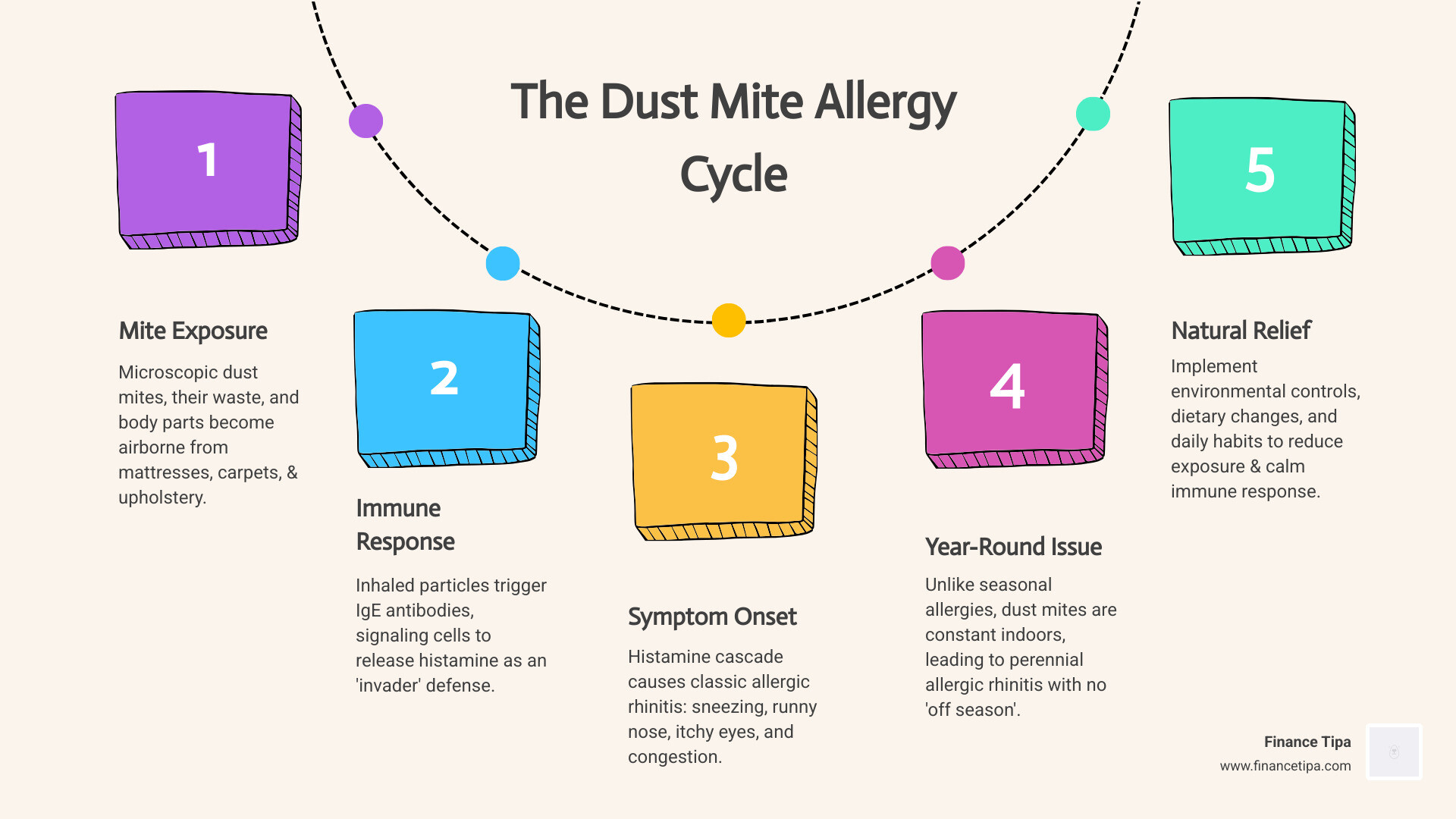
For millions of people, the real trigger isn’t pollen or pet hair. It’s dust mites — microscopic creatures living in your mattress, carpet, and couch cushions, feeding on dead skin cells. Their waste particles become airborne, and your immune system treats them like an invader, firing off an inflammatory response every single day.
That’s what makes dust allergies different from seasonal allergies. There’s no “off season.” Dust mites are with you year-round, which is why doctors call this condition perennial allergic rhinitis.
The good news? You don’t have to rely solely on antihistamines — which can cause drowsiness and dry mouth — to get relief. There are proven natural strategies that reduce your exposure, calm your immune response, and help you breathe easier at home.
This guide covers all of them, from cleaning habits and air quality to herbs and nasal care.
Understanding the Enemy: Causes and Symptoms
Before we can defeat the enemy, we have to understand what we are fighting. As of April 2026, we know more than ever about the microscopic world living in our upholstery. Dust mites are not insects; they are tiny arachnids, cousins to spiders and ticks. They don’t bite or sting, but they do produce waste. It is a specific protein found in their waste and decaying body parts that triggers an overzealous immune response in many of us.
When you inhale these particles, your immune system identifies them as dangerous invaders. It produces Immunoglobulin E (IgE) antibodies, which signal your cells to release histamine. This chemical cascade leads to the classic symptoms of allergic rhinitis:
- Repetitive sneezing (often in “attacks”)
- A persistent runny or stuffy nose
- Red, itchy, or watery eyes
- Itchy nose, roof of the mouth, or throat
- Postnasal drip and a chronic cough
For those with asthma, dust mites are a major trigger, often causing wheezing, chest tightness, or difficulty breathing.
If you suspect you have a dust mite allergy, you can confirm it through professional testing. A skin prick test involves placing a tiny amount of dust mite extract on your skin and pricking the surface; if a red, itchy bump appears within 15 minutes, you’re likely allergic. Alternatively, an IgE blood test can measure the number of antibodies in your system. You can learn more about these clinical procedures at the Mayo Clinic’s guide to dust mite allergy diagnosis.
Top Environmental Strategies for Natural Dust Allergy Relief
The most effective way to manage a dust allergy is to reduce your exposure. You can’t kill every dust mite in existence, but you can make your home a hostile environment for them.
Humidity and Air Filtration
Dust mites are about 75% water. They don’t drink; they absorb moisture from the air. This is why maintaining a relative humidity below 50% is arguably the single most important step for natural dust allergy relief. Using a dehumidifier or air conditioner to keep the air dry literally dehydrates the mite population.
Furthermore, air filtration is your best friend. A high-quality air purifier equipped with a HEPA filter is essential. HEPA (High-Efficiency Particulate Air) filters are rated to remove 99.97% of airborne particles as small as 0.3 microns—including dust mite allergens, mold spores, and pollen. For your central HVAC system, we recommend using filters with a MERV rating of 11 or 12, which should be replaced every 3 months (or every 30-60 days during peak allergy seasons).
The Flooring Debate
Where you walk matters. Carpeting is a giant “dust mite hotel.” It traps moisture and skin cells, providing the perfect breeding ground.
| Feature | Wall-to-Wall Carpet | Hard Flooring (Tile/Wood/Vinyl) |
|---|---|---|
| Mite Habitat | High (Traps moisture/cells) | Low (No place to hide) |
| Cleaning Ease | Difficult to deep clean | Easy to damp-mop |
| Allergen Release | Releases dust when walked on | Dust stays settled until wiped |
| Recommendation | Avoid in bedrooms | Highly Recommended |
Bedding and Laundry
Since we spend a third of our lives in bed, our sleeping quarters are often the “ground zero” of allergic reactions.
- Allergen-Proof Covers: Encase your mattress, box spring, and all pillows in tightly woven “dust-proof” zippered covers. These prevent mites from entering or escaping the fabric.
- The 130°F Rule: Research shows that washing bedding in hot water—at least 130°F (54.4°C)—is necessary to kill dust mites. If your fabric can’t handle high heat, tumble dry it on high for at least 15 minutes to achieve the same result before washing.
Dust-Proofing Your Sanctuary with Natural Dust Allergy Relief Habits
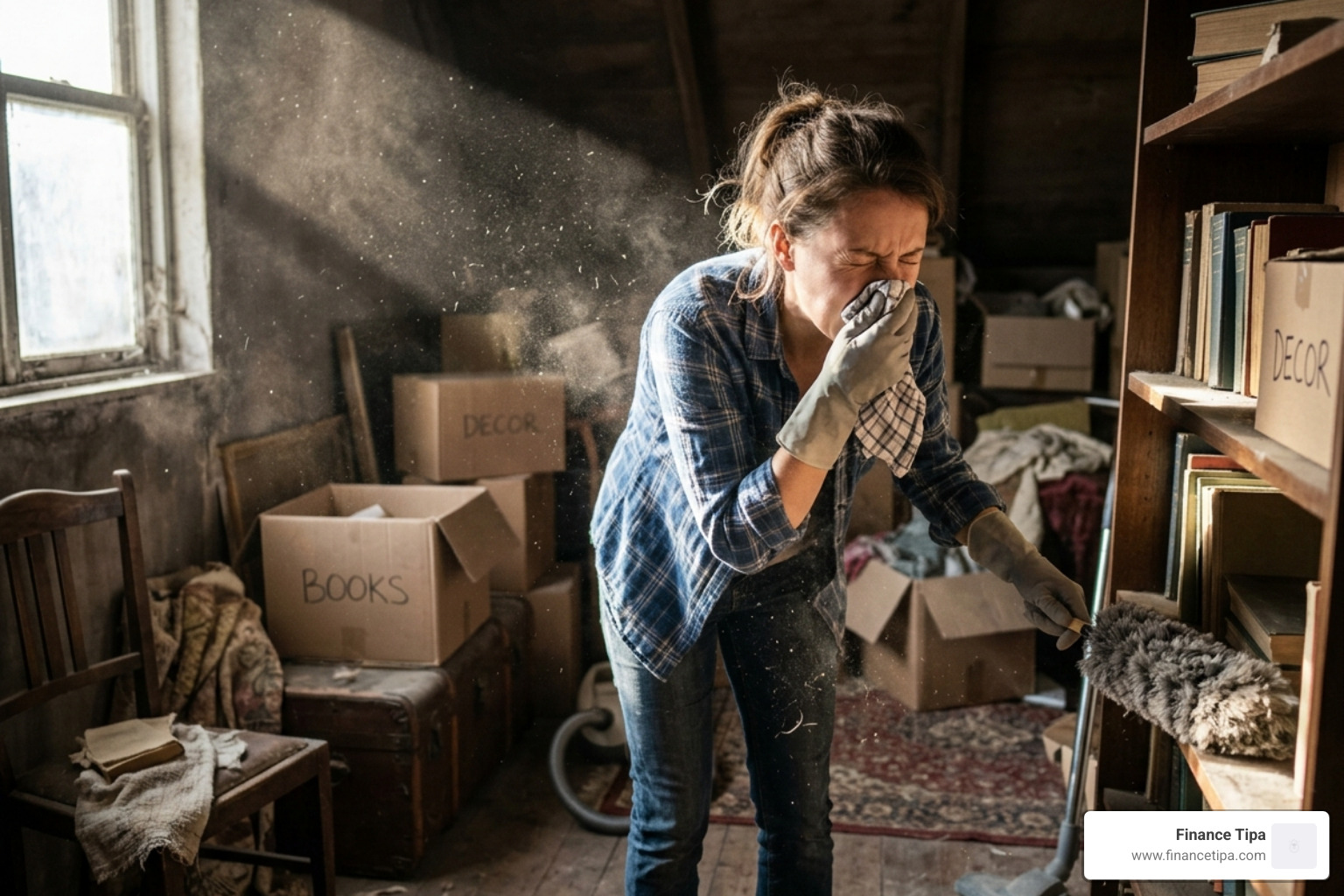
Cleaning for allergies is different from cleaning for aesthetics. If you use a dry feather duster, you are simply launching allergens into the air where you will breathe them in for the next two hours.
- Damp Dusting: Always use a damp microfiber cloth or an oiled rag. The moisture traps the dust on the cloth so you can wash it away.
- Clutter Reduction: Every knick-knack, book, and stack of magazines is a dust collector. Keep surfaces clear, especially in the bedroom.
- The Toy Freeze: For plush toys that can’t survive the washing machine, place them in a sealed bag and put them in the freezer for 24 hours. This kills the mites (though you’ll still need to rinse the toy afterward to remove the allergen particles).
- Vacuuming Strategy: Use a vacuum with a HEPA filter and a double-layered bag. Vacuum at least twice a week, and if your allergies are severe, wear a mask or have someone else do the vacuuming while you leave the room for two hours afterward.
Using Plants and DIY Solutions for Natural Dust Allergy Relief
At Finance Tipa, we believe in enhancing indoor living through natural solutions. While no plant can “eat” dust mites, certain air-purifying plants can help improve general indoor air quality by absorbing volatile organic compounds (VOCs) and increasing oxygen levels.
We also advocate for DIY air filters (like the Corsi-Rosenthal Box) as an affordable way to supplement professional HEPA units. A simple habit we recommend is the 15-minute daily airing: open windows on opposite sides of the house for 15 minutes to flush out stale, allergen-heavy air—just ensure you do this when pollen counts are low!
Herbal and Dietary Powerhouses for Symptom Management
When environmental controls aren’t enough, nature provides a pharmacy of options to help stabilize your immune system.

The Natural Antihistamines
- Quercetin: This antioxidant, found in onions, apples, and capers, acts as a mast cell stabilizer. It helps prevent your immune cells from releasing histamine in the first place. Many people find it most effective when taken as a supplement alongside Bromelain (an enzyme from pineapple), which increases its absorption.
- Stinging Nettle: Don’t let the name scare you! Freeze-dried stinging nettle leaves have been used for centuries to treat hay fever. It is believed to inhibit the body’s inflammatory pathways.
- Butterbur: Some studies suggest that butterbur extract is as effective as common over-the-counter antihistamines like Zyrtec, but without the drowsiness. Crucial Tip: Ensure your butterbur is labeled “PA-free” (pyrrolizidine alkaloids), as raw butterbur can be toxic to the liver.
Dietary Adjustments
What you eat can either fan the flames of inflammation or help put them out.
- Vitamin C: At high doses, Vitamin C acts as a natural antihistamine and immune booster. Aim for foods like bell peppers, citrus fruits, and strawberries.
- Omega-3 Fatty Acids: Found in walnuts, flaxseeds, and fatty fish, Omega-3s are powerful anti-inflammatories that can help reduce the swelling in your nasal passages.
- Local Honey: While the scientific evidence is mixed, many people swear by a spoonful of local honey to help the body “acclimatize” to local pollens that often piggyback on dust. Even if it doesn’t cure the allergy, it’s excellent for soothing a scratchy throat.
For more on these, check out Healthline’s review of 15 natural home remedies.
Daily Habits and Nasal Care for Long-Term Prevention
Managing a dust allergy is a marathon, not a sprint. Consistency in your daily routine is what leads to long-term relief.
The Magic of Nasal Irrigation
Using a neti pot or a saline squeeze bottle is like “giving your sinuses a bath.” It physically flushes out dust mite waste and excess mucus. Statistics show that regular nasal irrigation can reduce the need for allergy medication by up to 30% while providing the same level of symptom relief.
- Safety First: Always use distilled, sterile, or previously boiled (and cooled) water. Never use tap water, as it can carry dangerous parasites.
Essential Oils for Air and Laundry
- Eucalyptus Oil: Adding a few drops of eucalyptus oil to your laundry cycle has been shown to kill dust mites more effectively than detergent alone.
- Peppermint and Frankincense: These oils can be diffused or used in steam inhalation to help open up congested airways and reduce inflammation.
The “Clean Entry” Routine
To keep your home a sanctuary, avoid bringing “outside” allergens in:
- Shower before bed: This ensures you aren’t bringing dust and pollen from your hair and skin onto your clean, allergen-proofed pillow.
- Change clothes: When you get home, change out of your “street clothes” to avoid spreading dust throughout the house.
- Pet-Free Zones: We love our pets, but they are “dust magnets.” Keep them out of the bedroom entirely to ensure your sleeping environment remains as pristine as possible.
Frequently Asked Questions about Natural Dust Allergy Relief
How can I confirm if I have a dust mite allergy?
Confirmation usually requires a visit to an allergist. If your symptoms are “perennial”—meaning they happen all year round and get worse when you’re in bed or cleaning—it’s a strong indicator. Professional skin prick tests or IgE blood tests are the gold standard for diagnosis. Tracking your symptoms in a journal can also help your doctor identify patterns.
Are natural remedies as effective as over-the-counter medications?
Natural remedies focus on two things: reducing the “allergen load” (environmental control) and stabilizing the immune system (herbs/diet). For many people with mild to moderate allergies, these steps are enough to eliminate the need for drugs. However, for severe cases, natural remedies are best used as complementary care alongside medical treatments like immunotherapy (allergy shots).
When should I see a doctor for my dust allergy?
You should consult a professional if your symptoms:
- Interfere with your sleep or daily productivity.
- Lead to secondary infections like sinus infections (sinusitis).
- Cause asthma symptoms like wheezing or shortness of breath.
- Do not improve after implementing environmental controls.
- As of April 2026, many new sublingual (under-the-tongue) immunotherapy options are available that can actually “train” your immune system to stop reacting to dust mites entirely.
Conclusion
At Finance Tipa, we believe that your home should be a place where you can breathe freely. Winning the war against dust mites isn’t about one single “miracle cure”; it’s about a lifestyle shift. By combining natural dust allergy relief strategies—like HEPA filtration, humidity control, and herbal support—you can reclaim your nose and your health.
Don’t let microscopic invaders dictate how you feel in your own home. Start with one change today—perhaps washing your sheets in hot water or ordering that HEPA filter—and build your way toward a dust-free life.
