
Don’t Let Autumn Debris Blow You Away
Why Fall Leaf Dust Control Matters for Your Health This Autumn
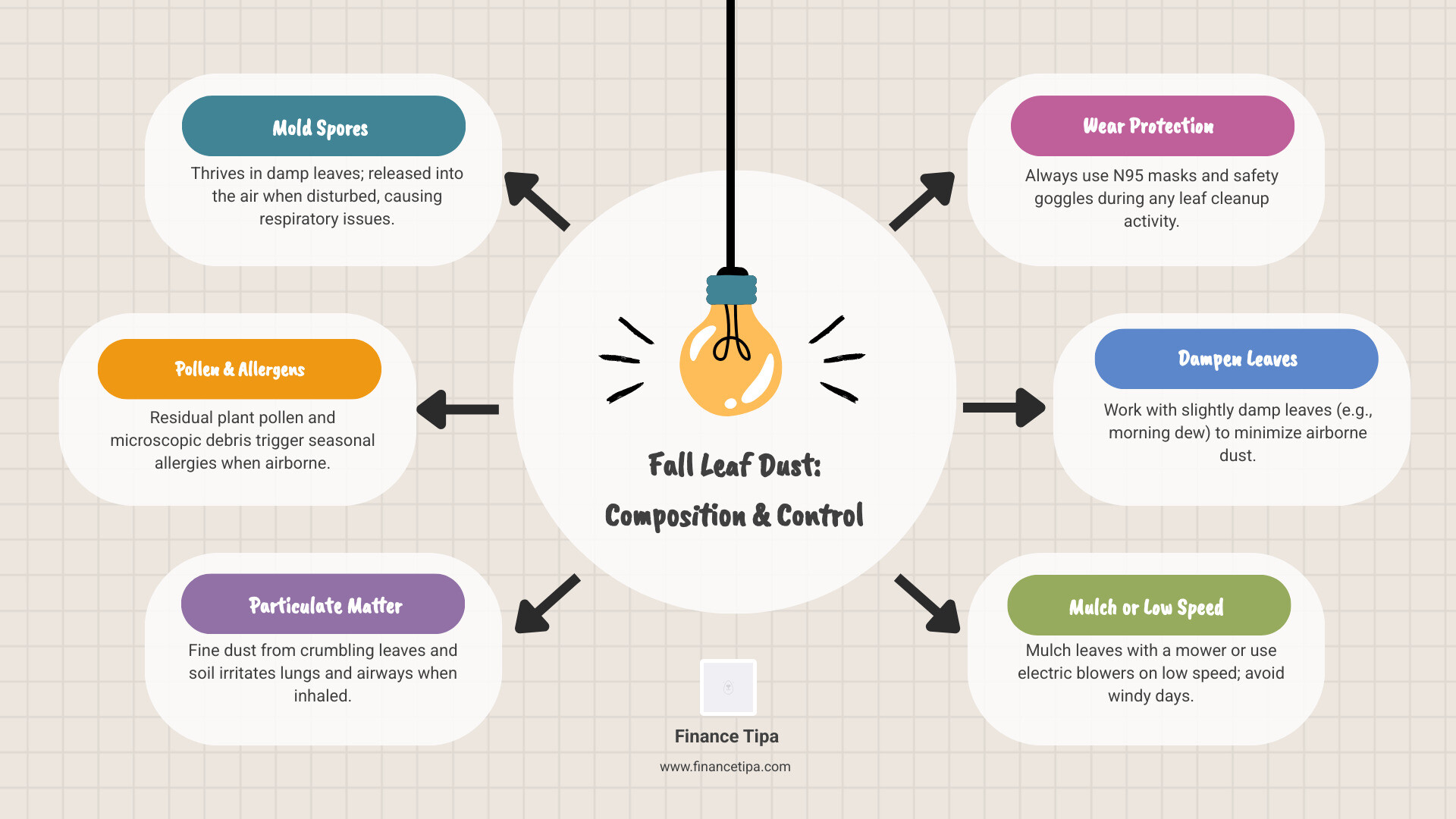
Fall leaf dust control is the practice of reducing airborne particles — mold spores, pollen, and fine debris — released during leaf cleanup to protect your breathing and indoor air quality.
Quick ways to control fall leaf dust:
- Wear an N95 mask and safety goggles every time you rake, blow, or mulch
- Work with slightly damp leaves (morning dew helps) to keep dust from becoming airborne
- Use electric or battery-powered blowers on low speed to minimize dust disturbance
- Mulch leaves with a mower instead of blowing or raking — it’s the lowest-dust option
- Use landscape fabric in garden beds to stop leaves from mixing with soil and kicking up dust
- Avoid working on windy days — dust travels farther and is harder to control
Every autumn, millions of homeowners head outside to tackle fallen leaves. Most think about sore backs or muddy boots. Very few think about what they’re breathing.
That’s a problem.
Dry leaves crumble into fine particles as soon as you disturb them. Raking, blowing, vacuuming, and mulching all send mold spores, pollen, and microscopic debris into the air around you. If you already deal with allergies, asthma, or respiratory sensitivities, fall cleanup can quietly make things much worse — both outside and inside your home.
The good news? A few simple changes to how you clean up leaves can dramatically cut your dust exposure. You don’t need expensive equipment or professional help to breathe easier this season.
The Hidden Dangers of Fall Leaf Dust
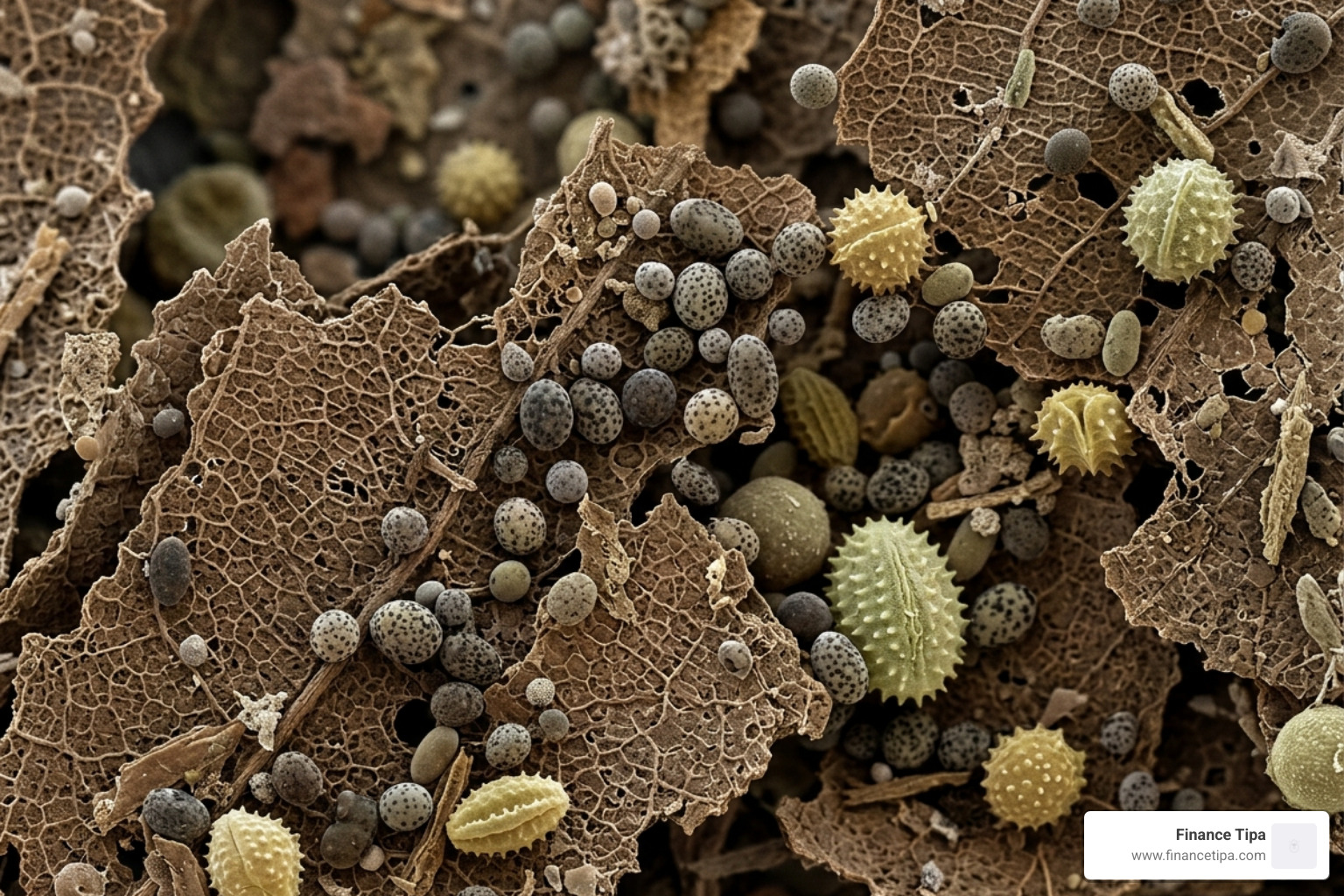
When we think of “dust,” we often think of the gray fluff under the sofa. But leaf dust is a different beast entirely. As leaves sit on the ground, they don’t just stay leaves; they become a breeding ground for biological contaminants. According to research on Fallen Leaves and Tree Maintenance in Autumn, leaving fallen leaves can lead to mold and bacteria growth, which are then launched into the air the moment you start your leaf blower.
Particulate Matter and Respiratory Health
The primary concern is Particulate Matter (PM). These are tiny particles that can bypass our body’s natural filters in the nose and throat, traveling deep into the lungs. During fall cleanup, these particles consist of pulverized leaf bits, dried soil, and even animal waste. For those of us with respiratory health issues, this can trigger asthma attacks or chronic bronchitis flare-ups.
Mold Spores and Seasonal Allergens
Autumn is peak season for mold. Damp leaves at the bottom of a pile are the perfect habitat for fungi. When these piles are disturbed by a rake or a high-velocity blower, billions of spores are released. These spores are often small enough to be carried by the wind right into your home’s HVAC system, affecting your indoor air quality long after you’ve finished the yard work.
Environmental Impact
Beyond our lungs, excessive leaf dust contributes to localized air pollution. In some areas, the sheer volume of particulate matter kicked up during peak leaf season can rival smog levels on a bad day. Controlling this dust isn’t just a personal health choice; it’s a way to keep our neighborhoods cleaner and our local environment healthier.
Essential Gear for Fall Leaf Dust Control
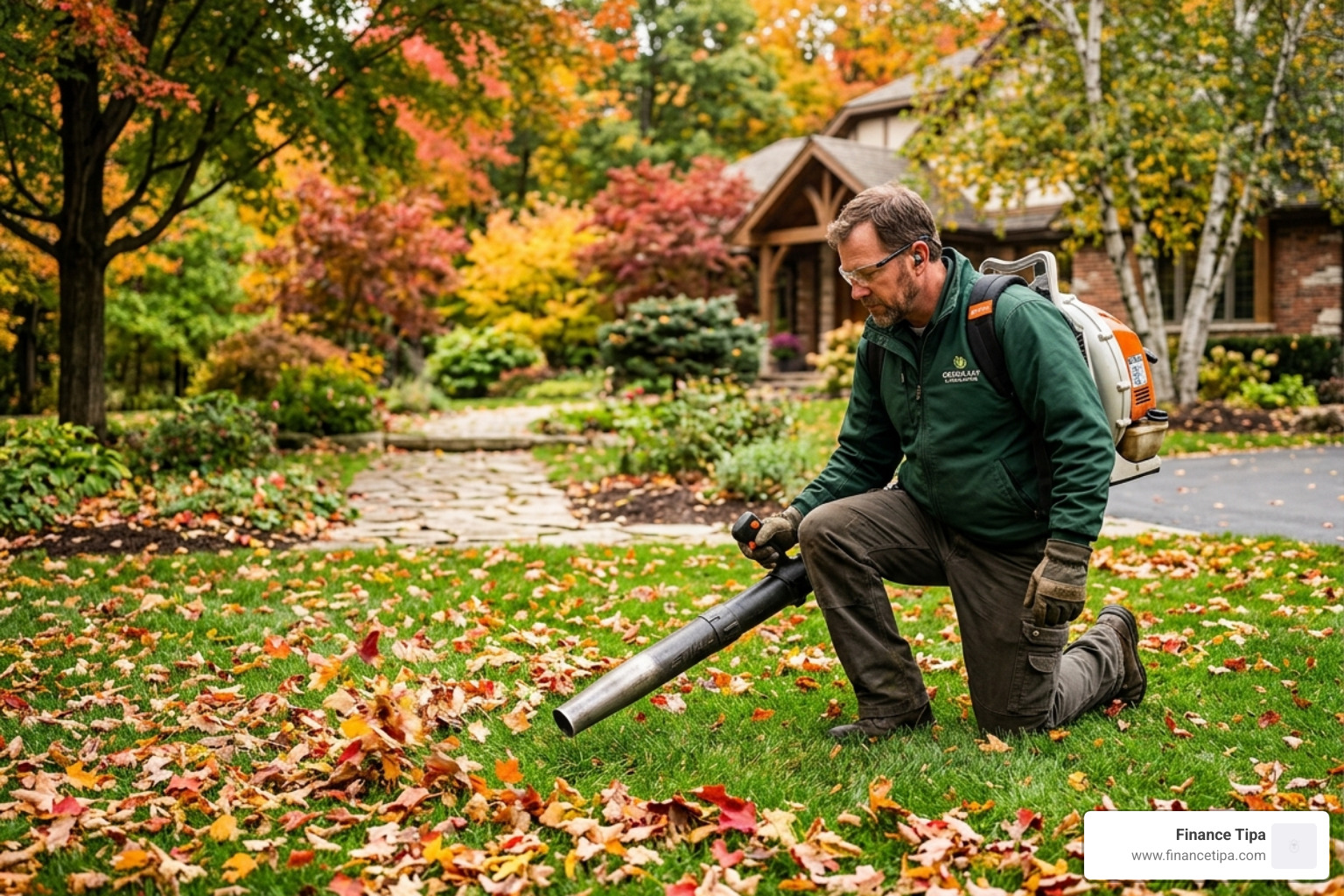
Before we even step onto the lawn, we need to talk about our “armor.” Since leaf vacuums and mulchers are known to create significant amounts of dust, protective gear isn’t optional—it’s essential.
N95 Masks and Filtration
A standard cloth mask or a loose surgical mask won’t cut it here. We recommend an N95 or P100 respirator. These are designed to filter out 95% to 99% of airborne particles, including those pesky mold spores. If you have a history of allergies, this is your most important tool.
Eye and Ear Protection
Dust isn’t just a breathing hazard; it’s an irritant for the eyes. Wraparound safety goggles prevent fine particles from causing redness or scratches on the cornea. Additionally, because many dust-producing tools like blowers are loud, ear protection is a must to prevent long-term hearing damage.
Protective Clothing
Wear long sleeves and pants. When you’re finished, we suggest leaving your “yard clothes” in the mudroom or laundry room immediately to prevent tracking leaf dust and allergens into the main living areas of your home.
| Mask Type | Dust Protection Level | Best For |
|---|---|---|
| Cloth Mask | Low | General yard walks |
| Surgical Mask | Medium-Low | Light raking (damp leaves) |
| N95 Respirator | High | Blowing and Mulching |
| P100 Respirator | Very High | Heavy vacuuming/shredding |
For more on preparing your gear, check out these tips on How To Deal with Fall Leaves Like a Pro.
Choosing Tools for Fall Leaf Dust Control
Not all tools are created equal when it comes to fall leaf dust control. Traditional gas-powered blowers are often the worst offenders because they use high-velocity air that scours the ground, kicking up everything from dried mud to old pollen.
- Electric and Battery Power: These are often quieter and allow for better modulation. For instance, the Ryobi 40V HP Whisper Series Blower is recorded at just 57-67 dB, making it one of the quietest high-output options available. Lower noise usually correlates with more controlled airflow.
- Variable Speed Triggers: This is a secret weapon for dust control. Instead of running at full blast, you can use just enough air to move the leaves without disturbing the fine dust underneath.
- Whisper Technology: Tools designed to be “quiet” often have redesigned intake and exhaust systems that produce a more “laminar” (smooth) airflow, which is less likely to create chaotic dust clouds.
Best Practices for Fall Leaf Dust Control in Garden Beds
Garden beds are “dust traps.” Leaves get stuck between mulch and delicate perennials, and if you aren’t careful, you’ll blow your expensive mulch halfway across the street while trying to get the leaves out.
- Angle Your Nozzle: Never point a blower directly down into the mulch. Instead, angle it nearly parallel to the ground. This creates a “skimming” effect that lifts the light leaves while leaving the heavier mulch and dust in place.
- Low Suction Vacuums: If you use a leaf vacuum in garden beds, use the lowest setting. This prevents the machine from sucking up soil and mulch, which are the primary sources of dust in these areas.
- Landscape Fabric Barriers: One clever trick is to lay down landscape fabric or a temporary “leaf net” over your flower beds in early October. When the leaves have all fallen, you simply roll up the fabric, and the leaves come with it—no blowing or raking required!
Step-by-Step Guide to Low-Dust Leaf Removal
If you want to master fall leaf dust control, timing and technique are everything. Here is our preferred workflow for a dust-free yard.
Step 1: Wait for the Dew The best time of day for leaf cleanup is mid-morning. You want the leaves to be “crispy” enough to move, but still holding onto a bit of morning dew. This moisture acts as a natural binding agent, keeping the dust stuck to the leaf surface rather than floating into your nose.
Step 2: Check the Wind Always work with the wind, never against it. If you blow leaves into the wind, you are essentially creating a dust shower for yourself.
Step 3: The Tarp Method Instead of blowing leaves into a massive pile (which creates a huge amount of dust when you eventually try to bag them), blow them onto a large, flat tarp. Once the tarp is full, you can fold it over and drag it to your composting area. This minimizes the “handling” of the leaves, which is when most dust is released.
Step 4: Nozzle Positioning Keep the blower nozzle as close to the leaves as possible without touching the ground. This directs the energy into moving the bulk material rather than atomizing the dirt underneath.
Advanced Techniques for Fall Leaf Dust Control
For those who want to skip the bags and the dust clouds entirely, we have a favorite method: mulching.
Mulching Mowers and Turf Health
Research from Virginia Tech in their publication “Leave” Them Alone: Lawn Leaf Management shows that mulching leaves directly into your turf has no measurable negative effect on nutrient availability or disease. In fact, it can actually reduce weed growth, like dandelions, by covering the bare soil where seeds would normally germinate.
How to Mulch Without the Dust
- Mow when damp: Just like raking, mowing leaves when they are slightly damp from dew (but not soaking wet) significantly reduces the dust cloud behind the mower.
- Use a Mulching Plug: Ensure your mower’s discharge chute is closed. This keeps the pulverized leaf bits under the deck and pushes them down into the grass blades rather than spraying them out the side.
- Multiple Passes: If you have a thick layer of leaves, don’t try to do it all at once. Make one pass to break them down, then a second pass at a 90-degree angle to finish the job.
Long-Term Strategies for a Dust-Free Autumn
If you’re tired of the annual dust battle, it might be time to look at your landscape design. Some plants and layouts are naturally “cleaner” than others.
Landscape Design for Dust Reduction
- Perennial Placement: Plant low-growing, dense groundcovers in areas where leaves tend to trap. These plants can actually “swallow” a moderate amount of leaves, allowing them to decompose naturally without you ever having to move them.
- Hardscape Barriers: Installing low decorative fences or stone borders can help catch “drifting” leaves before they reach dusty areas like gravel driveways.
Equipment Maintenance
A dirty tool is a dusty tool.
- Clean Your Filters: Both your mower and your leaf blower have air filters. If these are clogged, the engines run hotter and less efficiently, often creating more turbulent air and vibration that shakes dust loose.
- Sharpen Blades: Dull mower blades tear leaves rather than cutting them, which releases more “leaf juice” and fine dust. A sharp blade creates a cleaner snip and a heavier, less airborne mulch particle.
Composting and the Decomposition Cycle
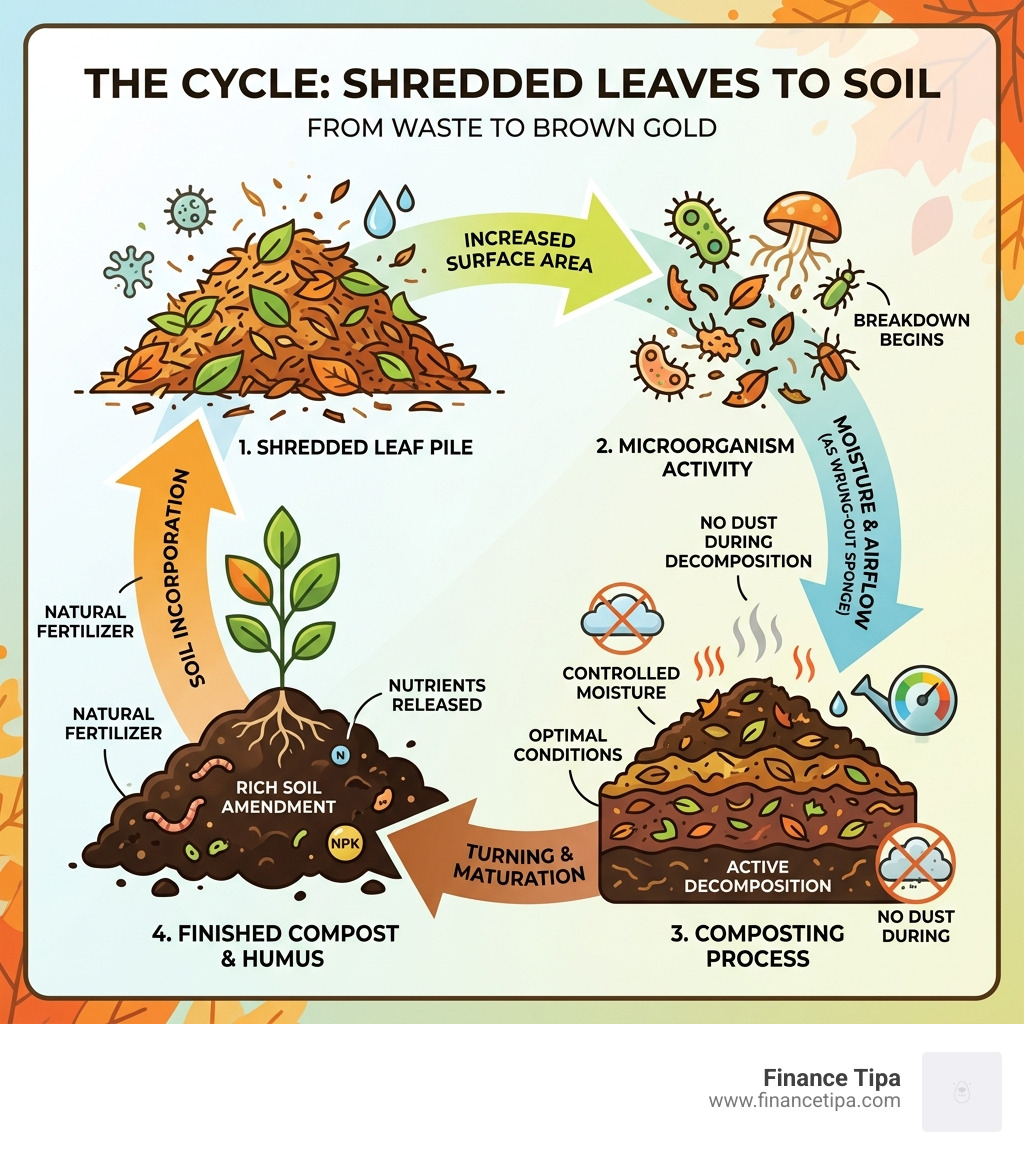
Shredded leaves are “brown gold” for gardeners. By shredding them (carefully, while wearing a mask!), you increase the surface area for microorganisms to do their work. A well-managed compost pile should be kept as moist as a wrung-out sponge, which completely eliminates dust issues during the decomposition process.
Frequently Asked Questions about Leaf Dust
Is it better to work with wet or dry leaves to reduce dust?
Working with slightly damp leaves is the “Goldilocks” zone for fall leaf dust control. Bone-dry leaves are brittle and shatter into fine dust easily. Sopping wet leaves, however, are heavy, clog your equipment, and can lead to back strain. Aim for the “morning dew” stage for the best results.
Can mulching leaves actually improve my lawn’s health?
Absolutely! Mulched leaves break down into organic matter that improves soil structure, aeration, and moisture retention. University studies have shown that mulching up to 6 inches of leaves into a lawn can actually improve turf color and quality in the spring without increasing thatch or disease.
What is the most effective mask for preventing leaf-related allergies?
An N95 respirator is the gold standard for residential yard work. It is specifically rated to capture the size of particles found in leaf dust, including mold spores and pollen. Ensure the mask has a tight seal around your nose and chin; if air is escaping out the sides, dust is getting in.
Conclusion
At Finance Tipa, we believe that a healthy home starts with the air you breathe. While we often focus on indoor air quality through plants and DIY filters, the habits we practice in our yards have a direct impact on our indoor living environment. By mastering fall leaf dust control, you aren’t just tidying up your lawn; you’re preventing allergens and irritants from entering your sanctuary.
This autumn, take a deep breath—safely. Use the right gear, time your cleanup with the morning dew, and consider mulching as a natural, low-dust solution for a beautiful spring lawn. For more tips on enhancing your indoor air quality and seasonal health habits, visit us for More info about indoor air quality. Happy (and dust-free) hauling!
